
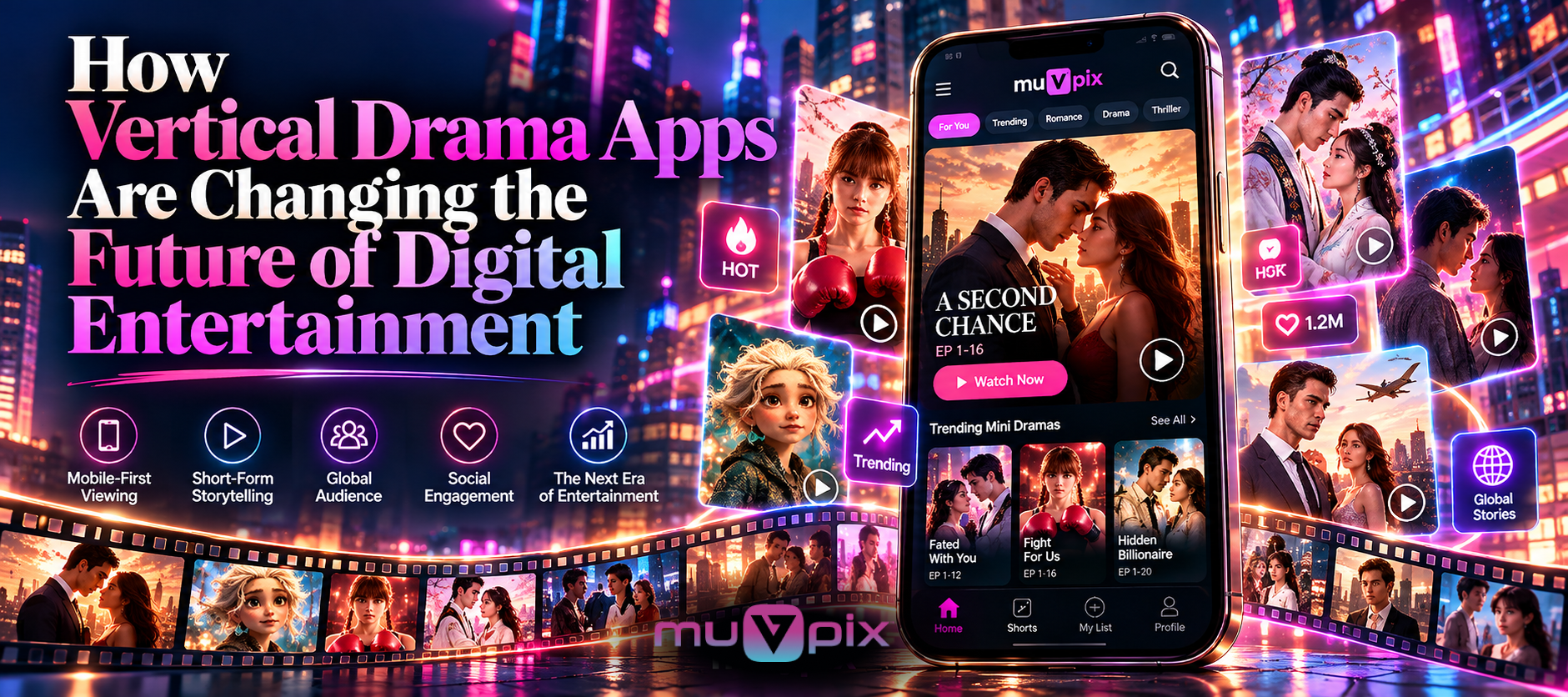
Entertainment is becoming increasingly mobile as people spend more time on smartphones than on traditional screens. Instead of planning hours for TV, many now enjoy engaging stories during short breaks throughout the day.
This shift is pushing the vertical drama app format into the spotlight. By combining quick storytelling with mobile-first viewing habits, these platforms are influencing how audiences discover, consume, and expect digital entertainment.
Why Digital Entertainment Is Moving Toward Mobile-First Experiences
Digital entertainment is becoming mobile-first because smartphones now shape how people consume content every day. Convenience has become just as important as content quality.
Busy schedules leave little room for long viewing sessions. People prefer watching engaging stories while commuting, waiting in line, or relaxing between daily tasks.
This change has also influenced viewing expectations. Audiences want content that loads quickly, fits portrait screens, and delivers immediate emotional engagement.
A short drama app meets these habits by offering quick entertainment without requiring a major time commitment. Mobile viewing now feels natural rather than secondary.
The rise of Android and iPhone users spending more time on mobile apps has accelerated this transition. As a result, entertainment companies are designing experiences specifically for smartphone viewing instead of adapting television content later.
Key takeaway: Mobile-first entertainment is driven by convenience, changing lifestyles, and evolving viewing habits.
How Vertical Drama Apps Are Reshaping Digital Entertainment
Vertical drama platforms are reshaping digital entertainment by changing how stories are created, delivered, and consumed. The focus has shifted from longer productions to highly engaging serialized episodes.
Instead of one lengthy movie, audiences follow short episodes filled with cliffhanger storytelling. This encourages regular viewing and builds stronger emotional connections over time.
A modern drama streaming app relies on personalized recommendations to keep viewers engaged. AI recommendations analyze viewing patterns and introduce stories that match individual interests.
This personalized approach increases content engagement while reducing the effort needed to discover new series. Users spend more time watching instead of searching.
Unlike traditional streaming services such as Netflix or Disney+, portrait-mode storytelling is designed around the smartphone experience. The 9:16 aspect ratio feels comfortable for one-handed viewing and supports natural mobile consumption.
Platforms like ReelShort, muVpix, DramaBox, and NetShort also demonstrate how shorter formats can maintain strong audience interest. Their success reflects growing demand for binge-worthy stories that fit modern lifestyles.
This transformation goes beyond entertainment. It reflects changing consumer psychology, where instant access, emotional storytelling, and continuous engagement influence viewing decisions.
Key takeaway: Short-form storytelling is redefining audience engagement through personalized experiences and mobile-first content design.
Major Trends Driving the Growth of Mobile Streaming Drama
The rapid growth of mobile streaming drama is powered by changing technology, creator innovation, and evolving audience expectations.
Key trends include:
AI-powered content discovery that improves personalized recommendations.
Vertical video optimized for comfortable smartphone viewing.
Social platforms like TikTok, Instagram Reels, and YouTube Shorts influencing viewing habits.
Creator economy growth producing fresh storytelling formats.
Freemium and subscription models offering flexible access.
Faster production cycles that respond to audience preferences.
Increased demand for story streaming that fits daily routines.
Social media has become an important discovery channel. Viral clips often introduce viewers to new series before they visit a dedicated entertainment platform.
Businesses also benefit from stronger user retention because shorter episodes encourage repeat visits. Frequent engagement creates more opportunities for subscriptions, advertising, and premium content.
Meanwhile, mobile viewing drama continues attracting audiences who prefer entertainment that matches their everyday routines rather than fixed schedules.
Key takeaway: Technology, social media, and flexible business models are accelerating streaming innovation across digital media.
How This New Format Is Influencing the Entertainment Industry
This format is changing the entertainment industry by encouraging faster production, flexible distribution, and audience-focused storytelling. Traditional OTT companies are adapting to these changing expectations.
Studios are experimenting with shorter production cycles that allow creators to respond quickly to audience interests. Faster feedback helps improve future releases without lengthy delays.
The growing popularity of mini-series drama is also expanding opportunities for independent creators and smaller production teams. High-quality storytelling no longer depends only on blockbuster budgets.
For streaming businesses, diversified revenue models are becoming more important. Subscription services, freemium access, in-app purchases, and advertising now coexist within the same ecosystem.
Brands also see opportunities to reach highly engaged audiences through mobile-first entertainment experiences. This creates new partnerships across the broader streaming industry.
Rather than replacing traditional OTT services, this model complements them. Viewers increasingly choose different formats depending on available time and preferred viewing experience.
What the Future of Digital Entertainment Looks Like
The future of digital entertainment will become more personalized, interactive, and mobile-centered. Technology will improve experiences without replacing strong storytelling.
AI will continue refining recommendations based on viewer interests instead of simple popularity rankings. Better personalization helps audiences discover relevant content more efficiently.
Interactive narratives may allow viewers to influence selected story outcomes. While not every production will adopt this approach, engagement opportunities are expected to increase.
Global expansion will also introduce more regional stories to international audiences. Local creators can reach worldwide viewers through mobile-first distribution strategies.
At the same time, mobile streaming drama will continue evolving alongside entertainment technology. Smarter recommendation systems, creator-led production, and immersive mobile experiences will shape the next phase of digital media.
Conclusion
Digital entertainment is evolving around changing audience behavior rather than traditional viewing habits. Mobile-first storytelling, personalized discovery, and shorter formats are creating new opportunities for creators, platforms, and businesses alike.
As technology continues advancing, the vertical drama app ecosystem will play an increasingly important role in shaping how stories are produced, discovered, and enjoyed across the global entertainment landscape.
.png)

.png)

Join the Conversation
Be respectful and constructive. Please review our Community Guidelines before posting.
No comments yet. Be the first to share your thoughts.