

A few years ago, watching a good story usually meant sitting in front of a television or opening a laptop. Now, many of those moments happen while waiting for coffee, riding the train, or lying in bed at night.
The screen changed. The habit changed with it.
Vertical storytelling became part of this shift by making stories fit naturally into the way people already use their phones.
This article explores how entertainment moved from big screens to small screens, why mobile viewing became so powerful, and how storytelling adapted to modern audiences.
How Entertainment Moved From Big Screens to Small Screens
Entertainment has always followed people’s lifestyles.
When television became popular, families gathered around one screen at a fixed time. Watching a show was an event. You planned around it.
Then came streaming services. Platforms like Netflix changed the idea of waiting for a scheduled program. People could watch what they wanted, whenever they wanted. The remote control slowly became less important because choice became the main attraction.
But smartphones created an even bigger change.
People no longer needed to go to entertainment. Entertainment came with them.
A person could watch a show during a lunch break, catch a few minutes before a meeting, or finish an episode while travelling home. The phone became more than a communication device. It became a personal entertainment screen.
The shift was simple but powerful:
Traditional television → Streaming services → Smartphone-based entertainment → Vertical storytelling
The way people consumed stories changed first. Story creators followed.
The Rise of Mobile-First Storytelling
Smartphones changed what viewers expect from entertainment.
People still enjoy long movies and full-length series, but daily routines became more fragmented. A viewer might have 10 minutes free instead of two hours. That small window created demand for shorter, easier-to-watch content.
This is where mobile entertainment started growing into a major part of digital media.
Mobile-first storytelling focuses on creating experiences that match phone habits:
Watch stories anywhere without needing a large screen
Enjoy short viewing sessions during busy days
Access entertainment instantly
Continue watching whenever time allows
Think about someone scrolling after work. They might not be ready for a full movie, but they are happy to watch a few minutes of an interesting story.
That small moment became valuable.
Entertainment was no longer only about having free time. It became about making use of small pockets of time.
Why Vertical Storytelling Changed the Way Stories Are Made
A smartphone is not a television. That sounds obvious, but it changed everything.
Traditional content was created for wide screens. Phones introduced a portrait format because people naturally hold devices vertically. Vertical videos were not just a technical adjustment; they created a different storytelling experience.
Characters appear closer. Facial expressions become more noticeable. Small emotional moments carry more weight because the viewer feels closer to the scene.
A conversation between two characters can feel more personal when the focus stays tightly on their reactions.
Short-form platforms like TikTok, Instagram Reels, and YouTube Shorts helped people become comfortable with vertical viewing. Audiences started expecting content designed specifically for their phones instead of content simply resized for them.
This changed how creators think about camera angles, pacing, and storytelling structure.
Sometimes a small change creates a bigger impact than expected. Turning the screen orientation changed the relationship between viewers and stories.
How Short Drama Content Found Its Audience
Short stories were not created because people stopped enjoying emotions or drama. They became popular because the format matched modern viewing behaviour.
A short drama app or drama streaming app brings storytelling into smaller pieces, allowing viewers to follow emotional moments without committing hours at once.
Unlike traditional streaming experiences, these apps are designed around quick access, mobile viewing, and episode-based storytelling. Many viewers enjoy:
Quick episodes with strong story moments
Easy-to-follow plots
Short emotional scenes
Stories that fit daily routines
Someone might watch an episode while waiting for a friend or before going to sleep. Then tomorrow, they come back for the next part.
That habit feels very different from traditional television. Instead of sitting down for entertainment, viewers carry entertainment throughout their day.
The demand was already there. Mobile platforms simply created a place where this type of storytelling could grow.
The Role of Streaming Innovation in Modern Entertainment
Technology quietly changed the entertainment experience.
Better internet speeds, improved smartphones, and smoother video delivery made watching content on mobile devices easier than ever. Viewers became less patient with slow loading, poor quality, or limited access.
This is where streaming innovation played an important role.
Modern audiences now expect:
Fast video access
High-quality playback
Content available anytime
Smooth experiences across devices
A person watching on an Android phone or iPhone expects the same convenience they get from other digital services.
Streaming is no longer only about delivering videos. It is about creating an experience that fits into everyday life.
Why People Prefer Mobile Viewing Today
The biggest reason behind mobile viewing is simple: flexibility.
People want entertainment that works around their schedule.
A smartphone gives viewers control. They can watch at home, outside, or during short breaks without changing their routine.
People watch while:
Travelling to work
Waiting in line
Relaxing after a long day
Taking short breaks
This does not mean traditional screens disappeared. They are still important. But mobile screens became the most personal screens people own.
Mobile viewing fits the way modern audiences live quick decisions, instant access, and entertainment available whenever interest appears.
How Vertical Drama Platforms Are Building the Next Entertainment Experience
The growth of vertical storytelling opened new possibilities for creators and viewers.
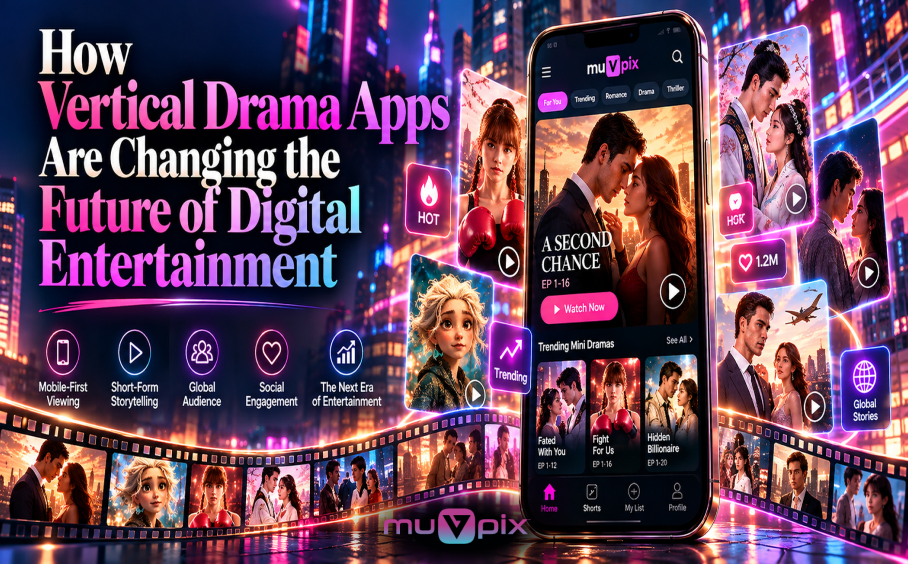
A vertical drama app represents a different approach to storytelling. Instead of adapting old formats for phones, these platforms create stories with mobile behaviour in mind from the beginning.
The focus is shifting toward:
Faster emotional connections
Mobile-friendly storytelling formats
New ways for creators to reach audiences
Experiences designed around smartphone users
Platforms such as ReelShort and DramaBox show how audiences are becoming more comfortable with shorter, mobile-focused stories.
The important change is not only the format. It is the mindset.
Entertainment creators are learning that the best screen is often the one people already carry.
What the Future of Digital Entertainment Looks Like
Future story platforms will focus on creating more personalised entertainment experiences, where viewers can discover stories that match their interests, habits, and available time. People will still enjoy movies, television shows, and traditional streaming. Those experiences are not disappearing. But mobile-first formats will continue growing because they match everyday behaviour.
The next stage of entertainment will be shaped by better storytelling, smarter technology, and a deeper understanding of viewer habits.
The question is no longer only, “What story should we tell?” It is also, “Where and how will people experience it?”
Conclusion
Entertainment has moved from living rooms to pockets. Smartphones changed not only where people watch stories but also how stories are created.
Vertical storytelling fits modern habits because it respects the way people use their devices every day. As mobile entertainment continues growing, storytelling will keep adapting around the viewer.
The screen became smaller. The possibilities became much bigger.

.png)

Join the Conversation
Be respectful and constructive. Please review our Community Guidelines before posting.
No comments yet. Be the first to share your thoughts.