
.png)
Think about the last time you had ten free minutes. Maybe you were waiting for coffee, riding the subway, or taking a quick break at work. Chances are, you reached for your phone instead of turning on the TV.
That small habit is changing how people watch shows. More viewers now want stories that fit into their daily routines instead of asking them to sit through hour-long episodes. Entertainment has become faster, simpler, and built around the way people already use their phones.
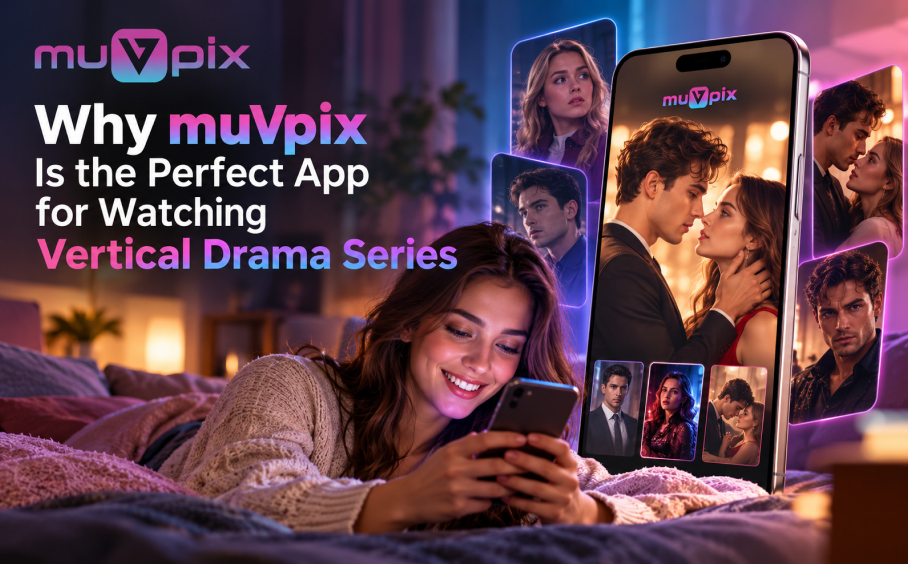
A vertical drama app is part of this shift. These apps deliver short, engaging stories designed for portrait mode, making every episode feel natural on a smartphone screen.
This isn't just another streaming trend. It reflects how viewing habits, technology, and content creation are evolving together. Let's look at what these apps are, why they're growing so quickly, and what they could mean for the future of entertainment.
What Are Vertical Drama Apps?
Vertical drama apps are mobile-first streaming platforms built for people who watch videos with their phones held upright. Instead of asking viewers to rotate their screens, every scene is created for portrait mode from the start.
Episodes are usually only a few minutes long, making them easy to finish during short breaks. A short drama app focuses on quick storytelling without losing emotion or suspense. Viewers still connect with the characters, but they don't need to set aside an entire evening to enjoy the story.
This format feels familiar because people already spend time watching short videos across different apps. Drama simply follows the same viewing habit.
Why Is Mobile Entertainment Shifting Toward Vertical Content?
Smartphones have quietly become the main screen for millions of people. Watching videos while commuting, standing in line, or relaxing between tasks now feels completely normal. That change has reshaped mobile entertainment in ways few expected just a few years ago.
Daily routines also look different today. Many people want content they can start and finish without planning their evening around it. A quick episode often feels more practical than a two-hour movie.
During reviews of entertainment apps and streaming platforms, one pattern appears again and again. The services growing fastest usually remove small points of friction. Holding a phone naturally instead of turning it sideways may seem like a tiny detail, yet it creates a smoother viewing experience.
Social media also played a major role. Platforms like TikTok, Instagram Reels, and YouTube Shorts trained audiences to enjoy vertical video content. It was only a matter of time before scripted storytelling adapted to the same style.
Ways Vertical Drama Apps Are Changing the Future
The shift isn't only about shorter videos. It is changing how stories are written, produced, discovered, and enjoyed. Here are some of the biggest ways this format is shaping the future.
Mobile-first storytelling
Writers and directors now think about the phone screen before filming begins. Camera angles, close-up shots, and scene transitions are designed for portrait mode, creating a more personal viewing experience that feels comfortable on smaller screens.
Faster emotional engagement
Traditional shows often spend several episodes building momentum. In contrast, a drama streaming app usually captures attention within the first minute through strong openings, quick pacing, and emotionally driven scenes that keep viewers watching.
Binge-friendly episodes
Short episodes encourage viewers to watch several in one sitting without feeling overwhelmed. This style increases watch time while fitting naturally into busy schedules, making episodic storytelling easier to enjoy throughout the day.
Personalized recommendations
Modern recommendation engines study viewer behavior to suggest stories that match individual interests. Better content discovery keeps audiences engaged while helping creators reach people who are more likely to enjoy their work.
Better accessibility
Watching with one hand, loading videos quickly, and using simple controls make these apps easier for many smartphone users. The experience feels lighter than traditional streaming services, especially when internet speed or screen size is limited.
New creator opportunities
Smaller production teams can now build compelling vertical stories without massive budgets. This opens the door for independent filmmakers, digital creators, and emerging studios to reach global audiences through a growing mini-drama platform.
Why Do Viewers Prefer This Experience?
Convenience is the biggest reason. People don't always have an hour to spare, but they often have five or ten minutes. That makes short episodes easy to fit into everyday life.
Watching with one hand also feels more comfortable during travel or while relaxing at home. A short drama series asks for less time, yet it still delivers suspense, romance, comedy, or action. That's a combination many viewers appreciate.
Another advantage is discovery. New shows appear quickly through recommendations, making it easier to find fresh content without spending twenty minutes searching. The result is a smoother mobile streaming drama experience that matches today's viewing habits.
What Does This Mean for the Future of Digital Entertainment?
The next stage of digital entertainment will likely become even more personal. AI recommendation systems will continue improving, helping viewers find stories that match their interests with greater accuracy.
Interactive storytelling is also becoming more realistic. Some streaming platforms are already exploring choices that influence story outcomes, giving audiences a more active role. At the same time, creators from emerging markets have new ways to share local stories with global audiences through mobile-first production.
OTT services are paying close attention because audience expectations are changing. People increasingly value flexibility, quick access, and content that feels made for smartphones rather than adapted from television.
Conclusion
Vertical drama apps represent more than another viewing trend. They reflect how people now consume stories in a mobile-first world, where convenience, speed, and engaging content matter just as much as production quality.
As streaming technology, personalization, and creator tools continue to improve, this format will likely become an even bigger part of everyday entertainment. For viewers, it means more choice and easier access to compelling stories. For creators and streaming platforms, it opens new ways to connect with audiences who want great storytelling without pressing pause on their busy lives.
.png)


Join the Conversation
Be respectful and constructive. Please review our Community Guidelines before posting.
No comments yet. Be the first to share your thoughts.