
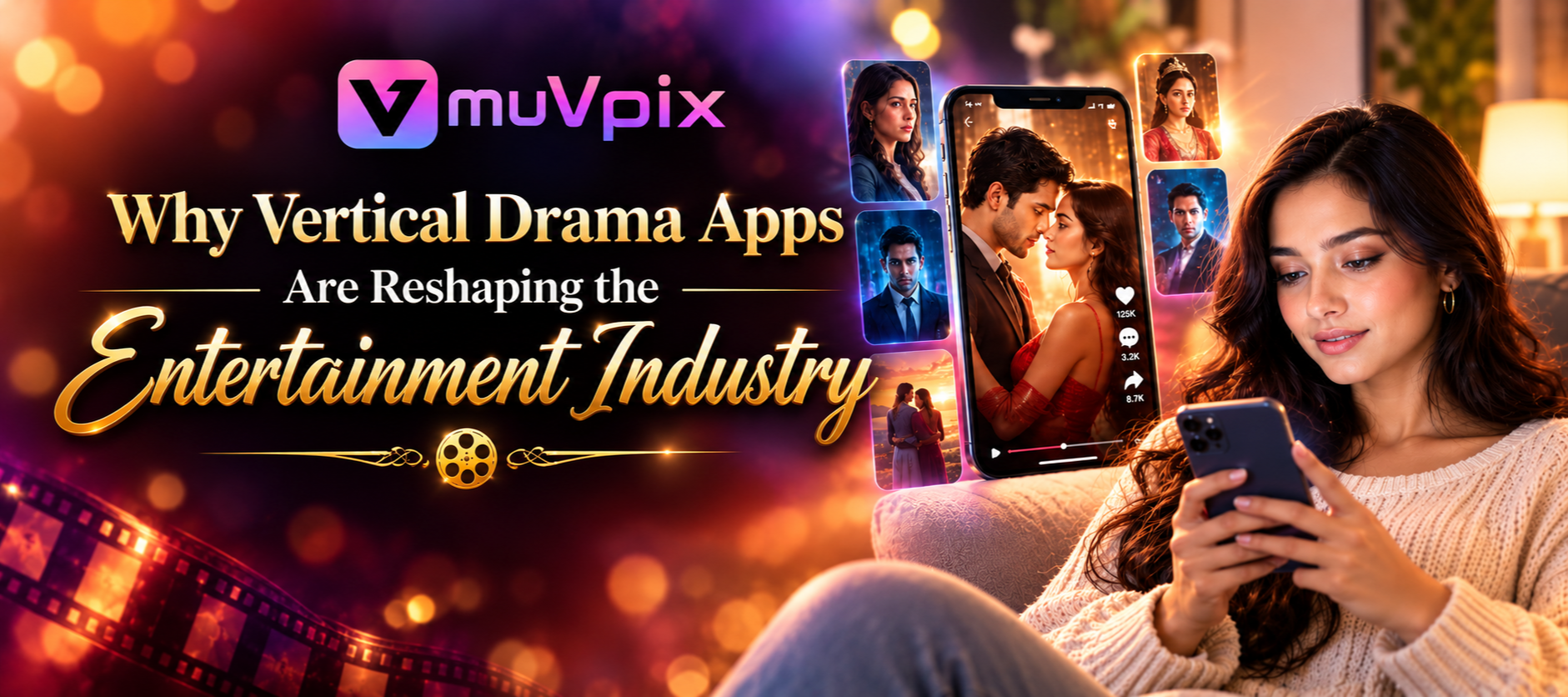
Three minutes. That’s all many people need now to get pulled into a story.
A vertical drama app has changed the way people experience entertainment. Viewers are no longer waiting for a free evening or sitting in front of a TV for hours. They are watching stories while commuting, taking coffee breaks, or simply filling small gaps in their day. This small shift in viewing habits is creating a much bigger change across the entertainment industry.
In this blog, we’ll explore how vertical drama apps are reshaping storytelling, why mobile-first entertainment is growing, what opportunities this format creates for businesses and creators, and what the future of short-form drama content may look like.
Why Entertainment Is Moving Toward Shorter Stories?
Life got busier. Or maybe attention just got shorter; hard to say which came first. Either way, people want a full emotional moment without giving up an evening for it.
Easy to watch anywhere, even mid-errand
Fits into small breaks instead of demanding a whole night
Simple storytelling that doesn't need a recap
Fast emotional connection, sometimes within seconds
A short drama app works because it respects time. Nobody has to remember what happened three episodes ago from last week. The story just picks you up and goes.
How Vertical Drama Apps Are Changing Storytelling?
Here's something I noticed while comparing traditional shows against these shorter formats: the story doesn't need hours to create emotion. It needs the right moment, placed at the right second.
Episodes are built differently now. Every scene has to earn its place; there's no slow build-up, no filler dinner conversation just to pad runtime. Writers lean on strong hooks, quick emotional turns, and cliffhangers that land hard enough to make you tap "next episode" without thinking twice.
It's a different muscle than writing a 45-minute drama. Creators working on a drama streaming platform are basically compressing a season's worth of tension into a handful of minutes, over and over. Some formats look simple from the outside, but the way each episode is structured changes the entire viewing experience underneath.
Why Viewers Are Choosing Mobile-First Entertainment?
Smartphones became the main screen a while back; honestly, TVs just didn't get the memo yet. A person waiting for coffee, stuck in traffic, or taking a short break at work can now finish a complete story beat before their kettle even boils.
This is mobile entertainment doing what it does best: fitting into gaps instead of demanding a schedule. There's no "let's watch tonight" negotiation with a partner or roommate. It's personal, private, and available the second boredom shows up.
That flexibility matters more than people admit. Watching isn't a planned event anymore. It's something that happens between other things.
How Businesses See New Opportunities in This Format?
From a business angle, this is where things get genuinely interesting. Vertical drama platforms lowered the barrier for creators; you don't need a studio deal or a distribution network to reach a global audience anymore.
A few things companies are noticing:
Lower production costs mean more creators can experiment
Global audiences reachable through one app, no regional licensing headaches
New revenue models built around episode unlocks and micro-payments instead of one flat subscription
Faster feedback loops: a story either works with viewers or it doesn't, and that's clear within days, not months
Traditional OTT platforms spent years building slow, expensive pipelines. This model skips a lot of that. It's messier, sure, but it's also faster to adapt when audience taste shifts.
This shift has also created demand for specialized storytelling drama apps that help creators deliver serialized stories in a format built specifically for mobile audiences.
The Rise of New Storytelling Formats
Vertical stories drama content isn't just short TV; it's its own thing now. A mini drama App doesn't try to imitate Netflix or Disney+ in a smaller box. It's built around a completely different rhythm.
Creators are experimenting with structure in ways that wouldn't survive on a big screen. Some episodes end mid-sentence. Some skip setup entirely and drop you straight into conflict. It shouldn't work, honestly, but it does because the format was designed around attention spans, not runtime minutes.
This kind of storytelling format innovation is spreading. Even creators who built audiences on TikTok or YouTube Shorts are testing longer, serialized versions of their content through drama apps.
What This Means for the Future of Entertainment?
More mobile content is coming; that much feels certain. Personalization will deepen not because it's trendy, but because audiences expect stories that feel picked for them, not just recommended.
Expect more global stories too. A drama filmed with a modest budget in one country can now reach viewers on the other side of the world without a traditional distribution deal standing in the way.
Audience expectations are shifting along with all this. People want stories that respect their time, and that expectation isn't going away once it's set.
Final Thought
Entertainment has always followed the way people live. Today, people live faster, stay connected through their phones, and expect stories to fit around their routines.
Vertical drama apps are not just shorter versions of traditional shows. They represent a new way of storytelling built around mobile viewing, quick emotions, and personalized experiences.
As viewer habits continue to change, businesses and creators that understand this shift can find new ways to connect with global audiences. The next big entertainment moment may not happen on a big screen. It might happen in someone’s hand, during a few quiet minutes of their day.
.png)
.png)

Join the Conversation
Be respectful and constructive. Please review our Community Guidelines before posting.
No comments yet. Be the first to share your thoughts.