
Entertainment looks very different today than it did just a few years ago. Many people still enjoy spending an evening with a long TV series, but plenty of others now reach for quick episodes on their phones while waiting for coffee or riding the subway. The way we watch stories is changing, and our daily routines are changing with it.
That shift has sparked a new question. Is fast, mobile-first entertainment replacing traditional shows, or do both formats have their own place? The answer isn't as simple as picking one winner.
This guide compares both experiences side by side. You'll learn how they work, where each one shines, and which option may fit your viewing habits best.
Understanding Both Entertainment Formats
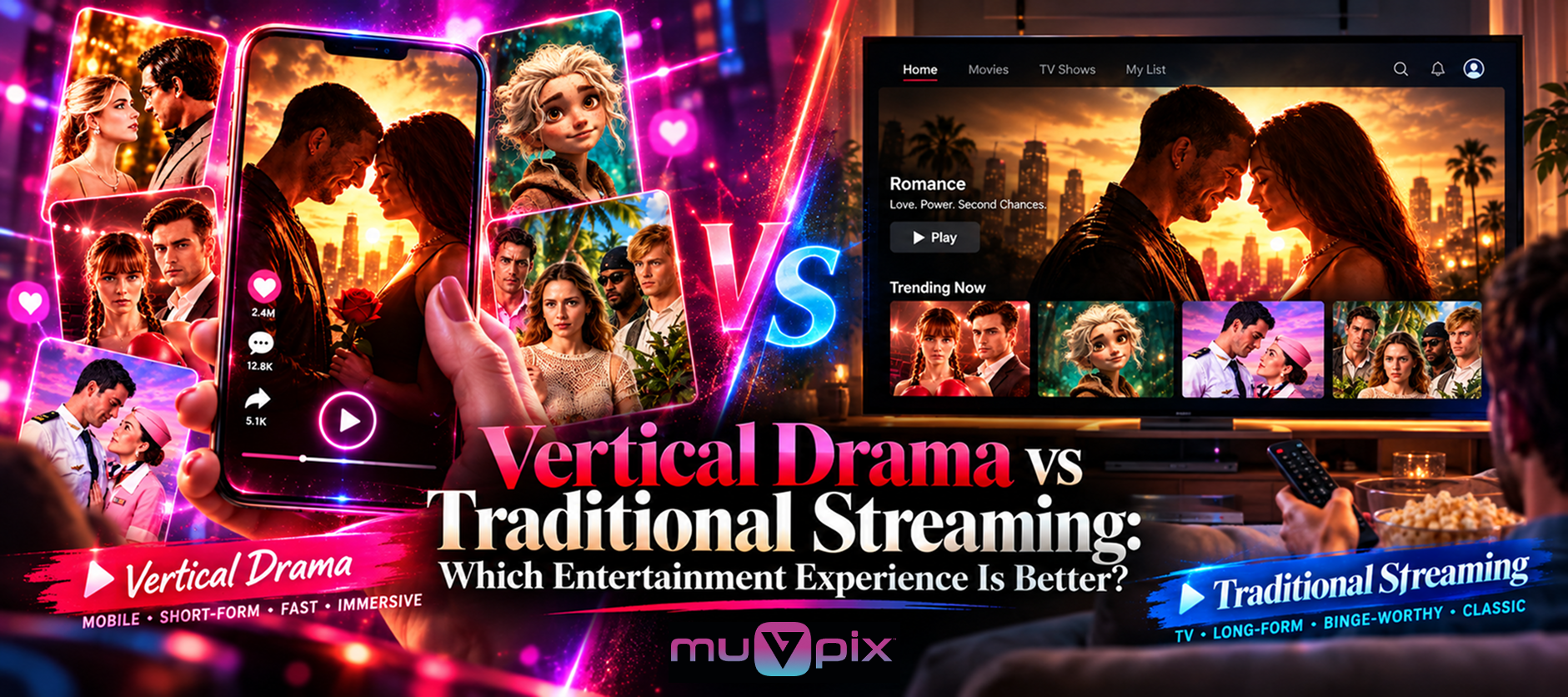
A vertical drama app is built for smartphones. Episodes are short, filmed in portrait mode, and made for one-hand viewing. Most stories move quickly, with each episode ending on a cliffhanger that keeps viewers coming back.
Traditional streaming works differently. Services like Netflix, Disney+, and Amazon Prime Video focus on longer episodes and movies designed for larger screens. While phones still support these platforms, the experience is often built around TVs, tablets, or laptops where viewers can settle in for a longer watch.
Both formats tell stories. The biggest difference is how they match the time people have available.
Quick Comparison at a Glance
The biggest difference comes down to time. One format fits small moments throughout the day, while the other rewards viewers who can sit back and enjoy a longer story from beginning to end.
Why Many Mobile Users Prefer Vertical Drama Today
Busy schedules have changed how people consume entertainment. Few viewers have an uninterrupted hour during the day, but finding five or ten minutes is much easier. That's exactly where a short drama app fits naturally.
Across mobile entertainment products, one viewing pattern appears again and again. Users often open an app during lunch breaks, while commuting, or even while waiting in line. Instead of saving entertainment for the evening, they spread it across the day in smaller moments.
The mobile viewing experience also feels more natural because every scene is created for portrait mode. There is no need to rotate the phone or search for the perfect place to watch. One hand is enough.
Another reason these platforms keep growing is pacing. A short drama series usually reaches emotional moments much faster than traditional television. Viewers don't spend twenty minutes waiting for the story to build. The action starts almost immediately.
Recommendation systems also play a part. Modern apps learn what people enjoy and quickly suggest similar stories, making content discovery feel almost effortless. That simple flow encourages regular viewing without asking for a major time commitment.
For many smartphone users, convenience matters just as much as the story itself.
Where Traditional Streaming Still Wins
That doesn't mean long-form entertainment has lost its value. Traditional streaming continues to deliver experiences that shorter formats simply cannot match.
Longer shows have more time to build characters, develop relationships, and create richer worlds. Big production budgets also allow for impressive visual effects, detailed sets, and cinematic storytelling that feels closer to watching a movie.
Families often prefer watching together on a large television instead of individually on separate phones. Sports, documentaries, live events, and full-length films also remain strengths of major streaming platforms because these experiences benefit from longer viewing sessions.
Rather than competing directly, both formats serve different moments in people's lives.
Which Experience Fits Different Viewers?
Different lifestyles call for different entertainment. Think about how you usually watch content before choosing a platform.
Students: Short episodes fit well between classes, while longer streaming shows are great for weekends or school breaks when there's more free time.
Working professionals: Busy workdays often leave little room for hour-long episodes. Quick mobile stories can provide a relaxing break without disrupting the schedule.
Travelers: Flights, trains, and daily commutes make short mobile content a practical choice because episodes are easy to finish before reaching the destination.
Families: Shared movie nights usually work better with traditional platforms that offer larger content libraries, children's programs, and movies everyone can watch together.
Weekend binge watchers: If spending several hours following one story sounds enjoyable, traditional services remain the better fit for deep, immersive entertainment.
Is Vertical Drama the Future of Mobile Entertainment?
Smartphones continue to shape how people consume digital media, so mobile-first entertainment will likely keep expanding. Better artificial intelligence recommendations, smarter content discovery, and personalized watch history already make finding new stories easier than ever.
Many creators are also producing more vertical drama videos because portrait content matches how people naturally hold their phones. At the same time, digital storytelling continues to evolve as writers experiment with faster plots and shorter episodes.
That doesn't mean long-form streaming is disappearing. Instead, both formats are growing in different directions, giving viewers more choices than ever before.
Final Verdict
There isn't a single winner in this streaming comparison. The better option depends on how, when, and where you like to watch.
A drama streaming app built around short episodes works well for busy days, quick breaks, and mobile-first habits. Meanwhile, traditional platforms remain the best choice for immersive stories, blockbuster films, and family viewing.
Instead of following trends, match the platform to your lifestyle. The best entertainment experience is the one that fits naturally into your day while keeping you excited for the next episode.
.png)
Join the Conversation
Be respectful and constructive. Please review our Community Guidelines before posting.
No comments yet. Be the first to share your thoughts.